3A Molecular Sieve Regeneration: Temperature and Procedure
How to regenerate 3A molecular sieve beads in a vacuum oven. Regeneration temperature is 120 C (250 F) minimum, hold under full vacuum, cool sealed. Step by step procedure, records and quality checks.

This is a standard operating procedure for regenerating 3A molecular sieve beads in a vacuum oven.
| Setting | Value |
|---|---|
| Regeneration temperature | 120 C (250 F) minimum. A floor, not a ceiling. |
| Vacuum | Full vacuum, held for 2 hours |
| Cool down | Door shut, to room temperature, before the beads see room air |
| Bed depth | Single layer on a metal tray |
| Which sieve | 3A for drying ethanol. 4A for butane and propane. |
Purpose: to give a repeatable procedure for regenerating 3A molecular sieve beads using a vacuum oven.
Scope: all personnel involved in regenerating 3A molecular sieve beads in a vacuum oven.
Definitions
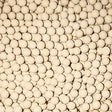
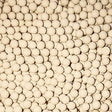
3A molecular sieve beads: a desiccant used to dry ethanol. Hydrocarbon systems take 4A, never 3A.
Vacuum oven: an oven that uses heat and vacuum together to drive moisture out of a material.
Regeneration temperature
Regenerate at at least 120 C (250 F). 250 F is the figure the bead maker publishes, and it is a floor rather than a ceiling. Hotter drives the water off faster and more completely. Pulling vacuum lets you reach the same result at a lower temperature, which is the point of doing it in a vacuum oven rather than a drying oven. The one thing to avoid is cooking them, because excessive temperature decomposes the beads and a decomposed bead does not come back.
Procedure
- Preheat the vacuum oven to at least 120 C (250 F).
- Transfer the saturated 3A beads to a metal tray in a single layer. A deep pile regenerates unevenly.
- Place the tray in the oven and close the door.
- Turn on the vacuum pump and open the valve to the oven.
- Hold at maximum vacuum for 2 hours.
- Sweep the oven with atmosphere several times and hold for 30 minutes.
- Turn off the vacuum pump and let the oven cool to room temperature with the door shut. Beads pulled hot into room air start adsorbing before they reach the vessel.
- Inspect the beads for dust, cracking or discoloration.
- If they are intact, transfer them back to the process vessel, or seal them in an airtight container until you need them.
Records
Record the date, the time and the oven temperature for each regeneration, and how many regenerations that lot of beads has been through.
Quality control
Verify the regeneration by testing the adsorption capacity of the beads afterward. If capacity is below the specified value, regenerate again. If a second pass does not bring it back, the beads are spent and should be replaced.
Training
Everyone running this procedure must be trained on this SOP and on the safety procedures for the vacuum oven.
Replacement beads
- 3A molecular sieve beads, for ethanol dehydration, 4x8 and 8x12 mesh
- 4A molecular sieve beads, for drying butane and propane
References
Follow the manufacturer's instructions for your vacuum oven and for the beads you are running. See also Molecular Sieves for pore sizes, charge sizing and what each sieve adsorbs.
What to buy for this
 3A molecular sieve beadsA fresh charge when a second regeneration will not bring capacity back.
 4A molecular sieve beadsThe bead for drying butane and propane. Never 3A in a hydrocarbon system.
 Sintered tri-clamp filter discsKeeps bead dust out of the solvent on both sides of the sieve.
Need it built to your drawing? Request a quote
Questions on your system, call the shop at 541-330-6409 or email info@nboler.com.
PARTS THIS ARTICLE COVERS
Stocked parts ship in 1 business day. Each product page shows its own lead time.